

Where does lost luggage end up?
The answer is Alabama.
With folks taking off on summer travels, I’m pulling a piece out of the Mildew archives all about a secondhand superstore in Alabama that specializes in rehoming lost luggage. “Baggage,” written by Maura McNamara, was originally published in Mildew Issue 3—that one’s sold out, but if this inspires you to immediately book a flight to Scottsboro, grab a copy of our latest issue to read on the plane.
On a Tuesday afternoon in Scottsboro, Alabama, a young woman peruses a rack of white dresses. She pulls one aside by its elaborate lace bodice and exclaims to her mother shopping nearby, “Who loses their wedding dress!?” Lots of people, apparently. This is Unclaimed Baggage, a cavernous retail store where the items on sale are salvaged from lost luggage never reclaimed by their owners.
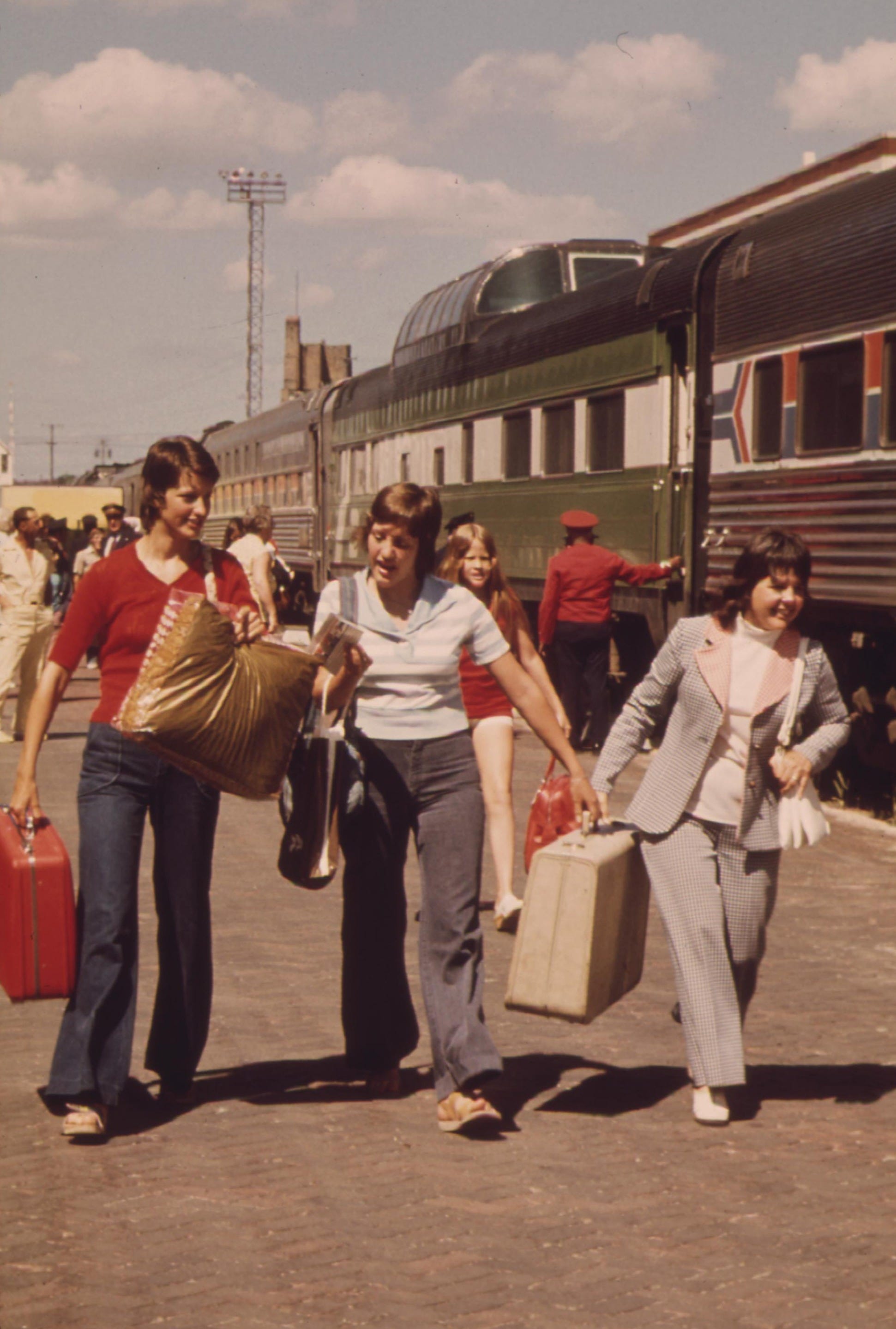
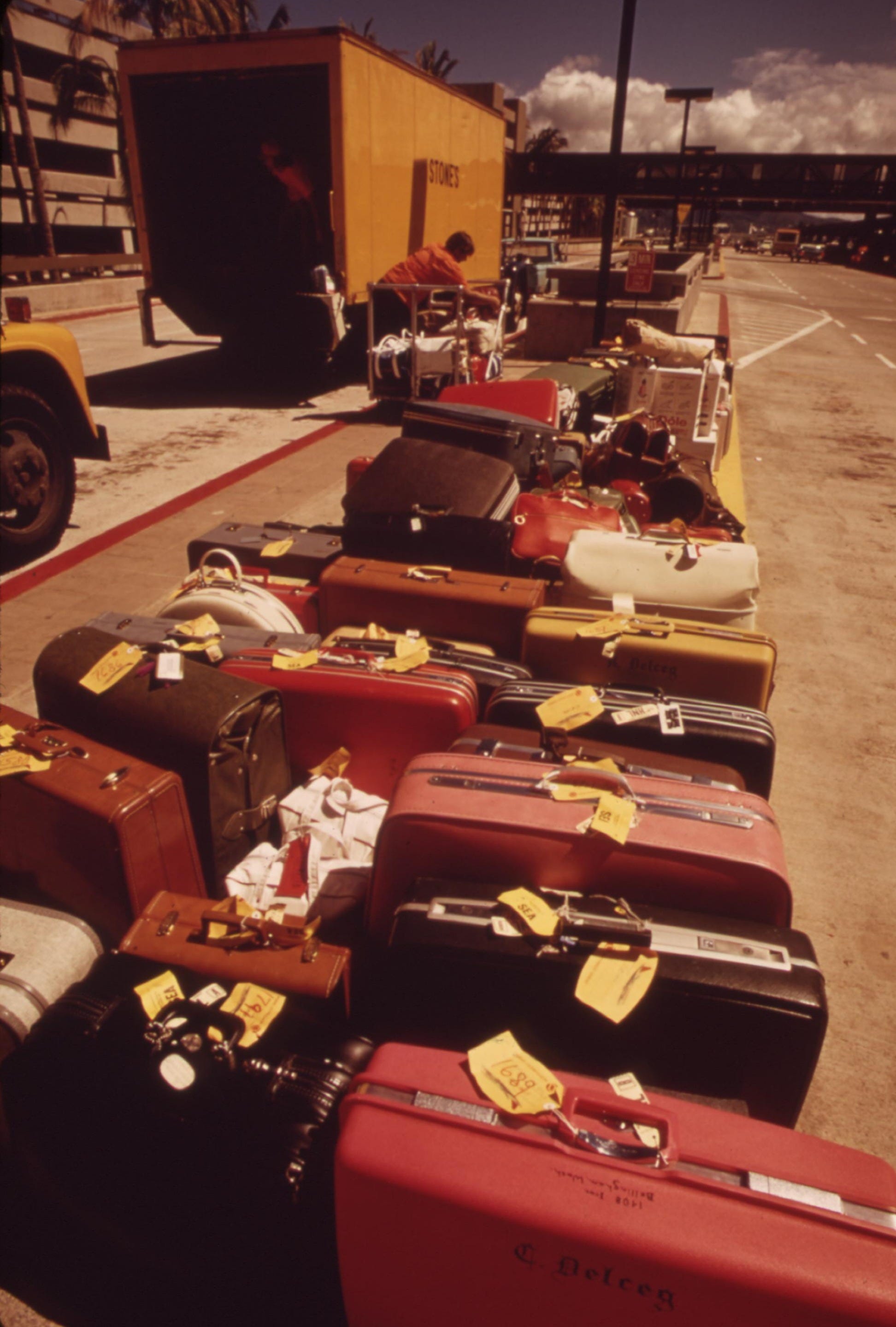
Every bag tells a story, and wandering through Unclaimed Baggage is an anthropological journey. From go-go boots to cricket bats, popcorn machines to pop-up tents, the store is full of items that spark visions of the people who packed them and prompt questions about what business trip or funeral or bachelorette party they were intended for. Who lost their Hello Kitty adult nightgown? Had someone saved up to show off their new leopard-print swimsuit with the daring cutouts? Was the tween who doodled an anime princess in the cover of their YA fantasy novel trying to tune out their obnoxious family in the airport lounge? And how are there hundreds of empty wallets neatly stacked and waiting for a new pocket?
On a whim in 1970, insurance salesman Doyle Owens took out a $300 loan and bought a truckload of luggage from a bus company desperately overrun with unclaimed items. He displayed the contents on card tables, sold out that day, and realized he’d struck gold. He eventually closed his insurance business and started selling lost luggage full-time, establishing partnerships with every major airline in the country and founding Unclaimed Baggage.
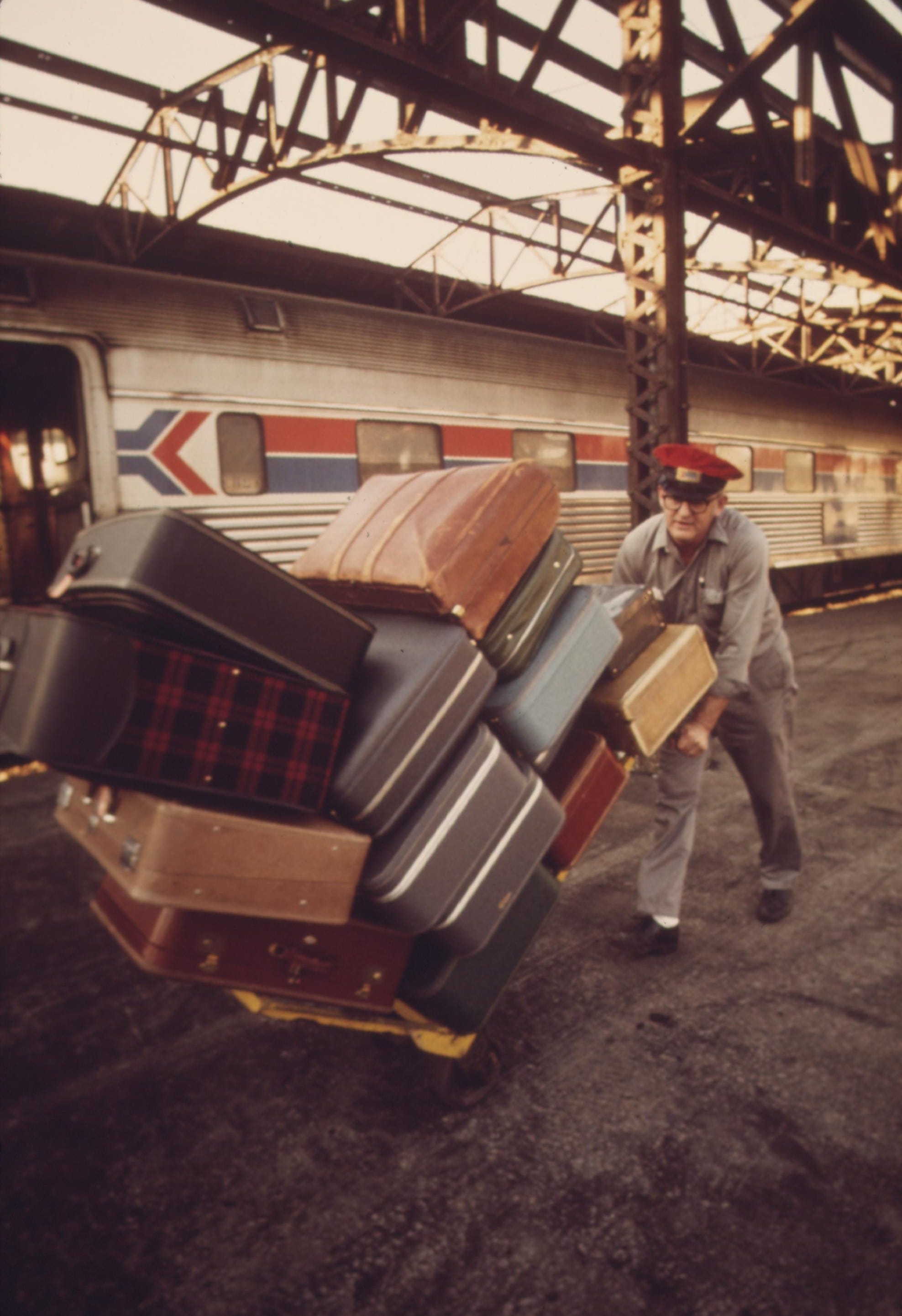
Today it is the only business of its kind, with 250 employees and a 50,000 square-foot storefront filling a city block. Modern airlines have advanced tracking systems, and less than .03% of checked bags cannot be reunited with their owners after three months, generally due to missing bag tags or outdated contact information. But with over four billion bags checked every year, enough lost luggage regularly arrives at Unclaimed Baggage to land 7,000 new items on the sales floor every day.
Over the years, employees have unpacked a medieval suit of armor, a cache of ancient Egyptian artifacts dating back to 1500 BC, and even a live rattlesnake tucked into the pocket of a duffle bag. Several of these finds, including a trove of meticulous Basquiat forgeries, clearly went unclaimed for legal reasons. Others, like the guidance system for an F-14 fighter jet, were eventually requisitioned by the government. These items, or replicas of them, are now preserved at an in-store museum, indicating that this is no ordinary secondhand shop.
“We really don’t like to call ourselves a thrift store,” says PR manager Sonni Hood. “Thrift stores are full of things that people no longer want. They’ve gotten their wear out of them. They’re giving it away. Our store is full of things that people loved so much, they chose to pack it with them to go on vacation.” (Unclaimed Baggage also boasts Alabama’s largest laundry facility, and every textile is dry cleaned before hitting the sales floor, so it doesn’t smell like a thrift store either.)
After more than 50 years, Unclaimed Baggage has become something of an expert at maximizing the potential of lost luggage. A third of all items received are sold, a third are donated, and a third are discarded. An enormous surplus of lost eyewear is distributed to global charities, and working suitcases are given to local foster kids. Toothbrushes and used underwear are chucked—but lotions, shampoos, and cosmetics more than half-full are sold for clearance prices in the store’s Bargain Basement. Most airlines and hotels don’t have the systems in place to manage the incredible amount of stuff that people lose every year; it’s easy to imagine what would happen to these items if they didn’t end up at Unclaimed Baggage.
But this also means that a savvy team of appraisers has thoroughly inventoried each item, potentially disappointing traditional thrifters looking for a dusty, unrecognized treasure. The store displays luxury items like Tiffany bracelets and perfumes in jewelry cases. Somehow, at least three passengers have lost and never claimed their Hermès Birkin bags, and in 2014, the most expensive single item—a platinum Presidential men’s Rolex worth $64,000 at the time—sold for $32,000. And the store has been so overrun with Lululemon Everywhere Belt Bags and their dupes that the company had to build its own in-house authentication team to vet each one. So while Unclaimed Baggage may be giving new life to lost items, it also reflects a ripe culture of conspicuous consumption and the fetishization of goods.
A stroll through the store provides an insight into not just what we consume, but how we consume. Clothing and toys with the tags still on illustrate how closely shopping is tied to travel, both in preparing for trips and bringing home souvenirs. The piles of electronics for sale exemplify their disposability; the store now processes more lost Kindles than physical books and more headphones than they can sell. The abundance of laptops, tablets, and cellphones (all wiped of personal information) suggests that some people decide the hassle of trying to track down the things they left in their seatback pocket is more burdensome than simply buying a new one.
Some treasure hunters trek hundreds of miles to marvel at the evidence of a stranger’s trip to Key West and transmute the heartbreak of someone else’s loss into a discount. Ironically, Unclaimed Baggage has become a tourist destination, one where shoppers can lose themselves.